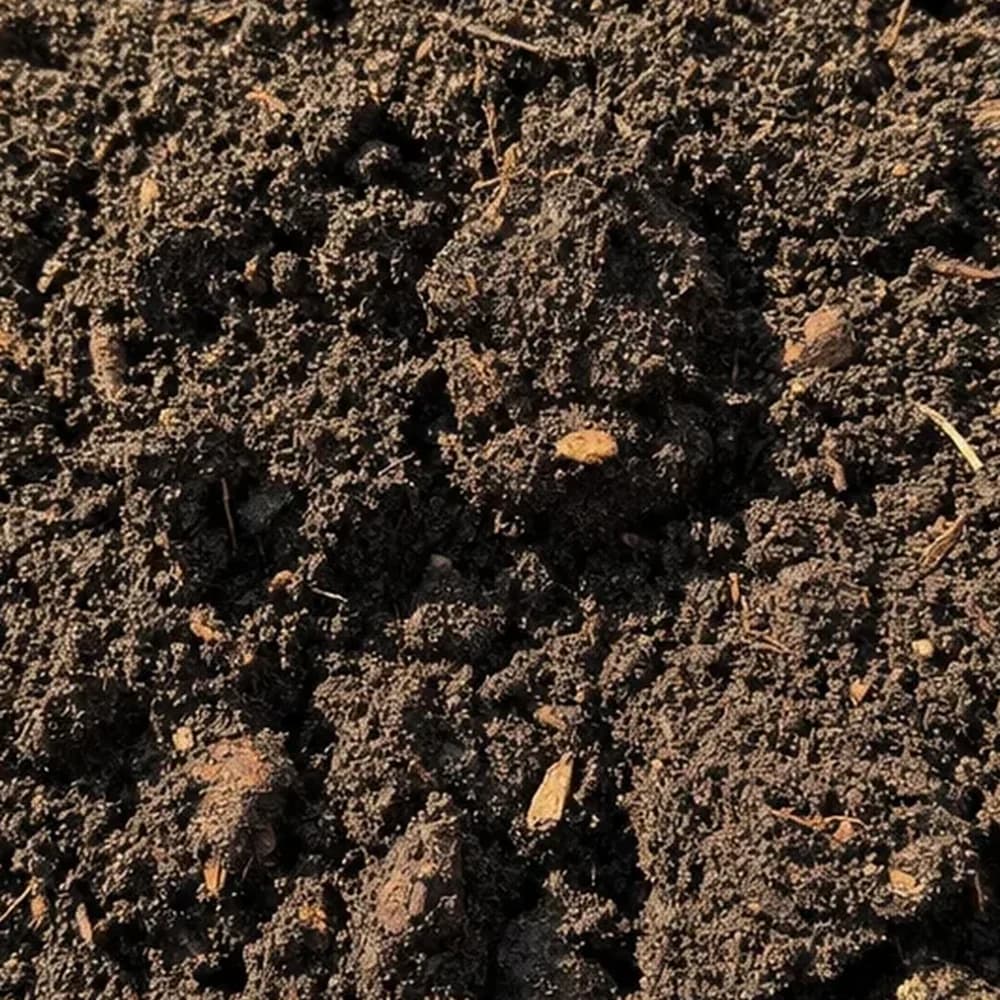
Soil calculator for Maine
Figure soil volume in cubic yards for garden beds, raised planters, and yard work.
Enter your project dimensions
A standard 4 x 8 raised bed at 12 inches deep needs 32 cubic feet of soil. That comes to 1.2 cubic yards, more than many first-time builders expect when they plan on a few bags. Use this calculator for any bed, planter, or yard area. Soil weight varies by material: garden soil runs about 2,000 lb per cubic yard, screened topsoil 2,200, and fill dirt 2,400. Select the soil you plan to order to calculate the right tonnage.
Three-step bed math
- Get the length and width of every bed or planter in feet. Use multiple areas to total several beds together.
- Choose depth for the job: 4-6 inches for existing beds, 6 inches for a new in-ground bed, and 12 inches for an empty raised planter.
- Divide cubic feet by 27 for cubic yards. Multiply yards by 1.0 to 1.2 for tons, based on soil type.
Tons = yards × 1.0 (garden soil) · 1.1 (topsoil) · 1.2 (fill dirt)
Coverage and weights
| Soil type | Weight per cubic yard | Tons per yard |
|---|---|---|
| Garden soil (blended with compost) | ≈ 2,000 lb | 1.00 |
| Topsoil (screened) | ≈ 2,200 lb | 1.10 |
| Fill dirt | ≈ 2,400 lb | 1.20 |
| Depth | 1 cubic yard covers | 3 yards cover |
|---|---|---|
| 2 inches | 162 sq ft | 486 sq ft |
| 4 inches | 81 sq ft | 243 sq ft |
| 6 inches | 54 sq ft | 162 sq ft |
| 12 inches, raised bed | 27 sq ft | 81 sq ft |
Choose soil for the job
- For vegetable gardens, flower beds, and planters, use garden soil blended with compost for planting.
- Use screened topsoil for lawn work and finish grading. The Topsoil Calculator includes lawn depths and examples.
- For filling holes or changing grade, place fill dirt below and reserve good soil for the planting layer.
- For worn-out native soil, mix 2-3 inches of garden soil into the upper 6 inches rather than replacing the full bed. It uses less material, and roots can establish more readily.
Fill deep raised beds for less
You do not need costly blend through the entire depth of a deep bed. Beds taller than 18 inches can use a lower third of fill dirt or coarse organic matter that breaks down in place, then 8-12 inches of garden soil where roots grow. Calculate each layer separately with two quick runs of this tool. Measure the full 12 inches rather than estimating it.
Example: three 4 x 8 beds
Three beds total 96 square feet. At 12 inches deep, that is 96 cubic feet, or 3.6 cubic yards and about 3.6 tons of garden soil. Order 4 yards. Compost in blended soil settles roughly 10% during the first weeks, leaving extra material to refill the beds after the initial drop.
Improve clay or sand without full replacement
Dense clay holds water, while sandy ground dries out quickly between watering. Treat both by tilling 2-3 inches of compost-blended garden soil into the top 6 inches for a couple of seasons. That takes a third of the material and lifting required for full replacement, while roots and worms continue working it deeper. Replace soil to full depth only when construction debris or contamination makes the native ground unsuitable.
Bulk soil versus bags
One cubic yard is about 36 bags at 40 lb. A single raised bed can mean 43 bags, and loading 43 bags twice is a lot of work. Bulk costs less per cubic foot, comes in one tipped load, and free delivery means no truck fee to recover. Bags still make sense for topping off one planter. Have the load tipped onto a tarp because soil can stain concrete, and the tarp makes cleanup easier to drag and fold.
Soil amounts for beds and bags
How much soil goes in a 4x8 raised bed?
How do garden soil, topsoil, and fill dirt differ?
How many soil bags equal a cubic yard?
How many yards of dirt are needed for beds?
Will delivered bulk soil settle?
Can delivered garden soil be planted in directly?
More calculators
Got bed measurements? Soil is one click away.
Garden soil, topsoil, and fill dirt by the yard, with free delivery included.